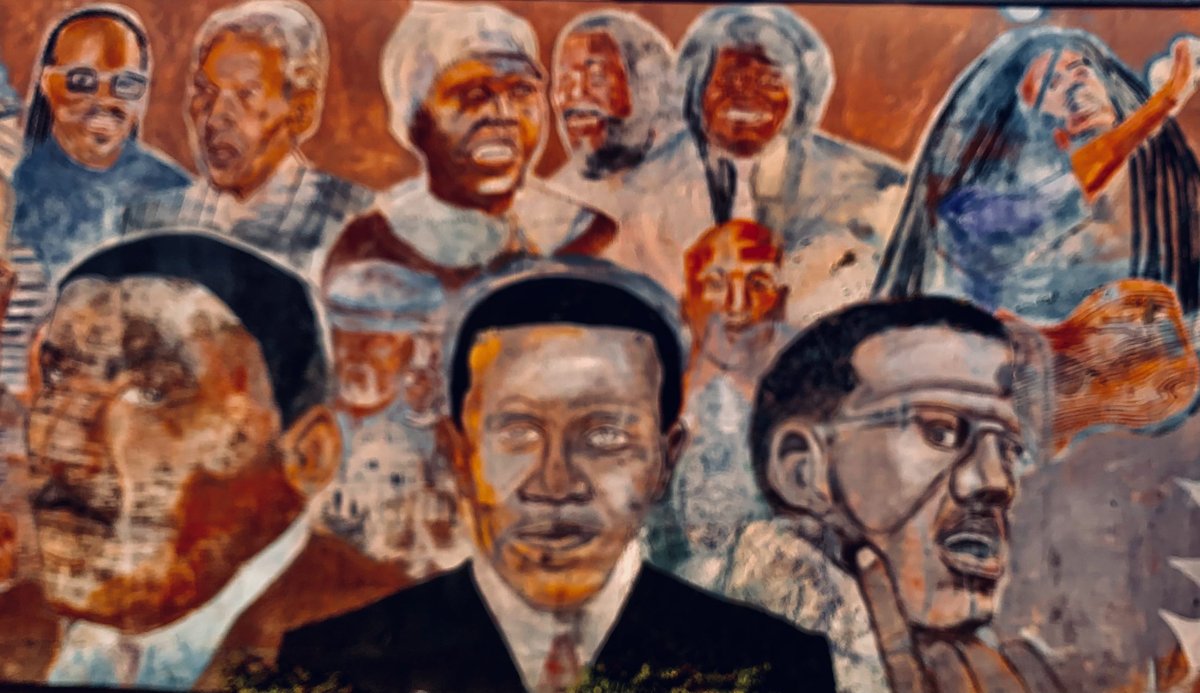
The invisible force that sculpts who we are, what we believe, and how we interact with the world is undeniably our cultural heritage. From the lullabies sung by our grandparents to the languages we speak, the Cultural Impact & Legacy of our past doesn't just inform our present—it actively forges our identity through generations, creating a profound, enduring narrative that defines communities and individuals alike.
It’s a powerful, often subconscious blueprint that dictates everything from our values to our everyday etiquette, a living, breathing tapestry woven from shared experiences and passed-down wisdom. Understanding this impact isn't just an academic exercise; it's a journey into self-discovery and a deeper appreciation for the diverse human story.
At a glance: What you’ll learn about Cultural Impact & Legacy
- Culture isn't just history; it’s a living force: It shapes our identity, values, and beliefs from birth.
- Upbringing is paramount: Family, religion, education, and community are the primary conduits of cultural transmission.
- Globalization is a double-edged sword: It fosters cultural blending and open-mindedness but also poses risks to traditional customs.
- Culture deeply affects well-being: A strong cultural identity can provide belonging and resilience, but rigid traditions can also create conflict.
- Heritage isn't static: Each generation has the power to interpret, adapt, and redefine cultural norms for contemporary relevance.
- We all play a role: Promoting cultural education, dialogue, and respectful innovation is key to a vibrant, inclusive future.
The Enduring Echo: What is Cultural Heritage?
Think of culture as the invisible current that carries a community's identity. It's the sum total of traditions, values, and customs passed down from one generation to the next, encompassing everything from the spoken word and religious practices to artistic expressions, culinary traditions, and social graces. This heritage isn't merely a collection of historical facts; it's a dynamic framework that dictates how you perceive the world, what you deem acceptable or taboo, and how you connect with others.
Language, for instance, is far more than just a tool for communication. It’s a vessel for history, a repository of values, and a cornerstone of identity. Imagine the richness of perspective offered by bilingual or multilingual education; it's like having multiple lenses through which to view reality, each shaped by a distinct cultural narrative. The stories we tell, the songs we sing, and even the way we greet one another all carry the weight of generations, reinforcing the shared understanding that binds us.
The Cradle of Identity: How Upbringing Imprints Culture
From the moment we enter the world, children are immersed in a cultural environment that begins to shape their inner landscape. Parents, teachers, and the broader community act as crucial agents, meticulously planting the seeds of cultural norms and values. This cultural nurturing dictates our perceptions of authority, defines family roles, influences gender expectations, and lays the groundwork for our moral compass.
Family: The First Architects of Heritage
Your family unit is arguably the most potent force in cultural transmission. It's within the intimate circles of home that traditions are born and reborn through bedtime stories, the celebration of religious holidays, and the consistent practice of daily rituals. These aren't just quaint customs; they are living lessons in what it means to belong, how to show respect, and what constitutes love and obligation within your specific cultural context.
For example, a family might prioritize communal meals and shared responsibilities, instilling a strong sense of collectivism. Another might emphasize individual achievement and independent thought, fostering individualistic values. Both approaches are culturally informed, and both leave an indelible mark.
Faith & Ethics: Guiding Principles
Religious and moral teachings often form the bedrock of cultural values. They provide ethical guidelines, dictate social behaviors, and instill principles like compassion, honesty, and charity. These teachings can shape how you view suffering, success, community obligations, and even the afterlife. Think of the societal importance placed on acts of kindness during specific religious festivals, or the emphasis on truthfulness embedded in various faith traditions; these are cultural touchstones derived directly from moral frameworks.
Societal Norms: The Unwritten Rules
Beyond family and faith, broader societal norms exert immense influence. These are the unwritten rules that govern public behavior, interpersonal interactions, and social hierarchies. In some cultures, for instance, a hierarchical structure demands profound respect for elders, manifesting in specific greetings or modes of address. In others, a culture of equality and open dialogue might encourage direct communication and challenging authority, regardless of age or status. These norms aren't just polite suggestions; they shape our understanding of decorum and our expectations of others.
Education & Economic Landscape: Shaping Aspirations
The educational and economic backdrop of a culture profoundly influences individual aspirations and achievements. A culture that places a high premium on education will likely produce individuals who deeply value knowledge, lifelong learning, and intellectual pursuits. Conversely, economic conditions can open or close doors, affecting access to resources, opportunities for social mobility, and even the types of career paths considered desirable or achievable. The dreams you're encouraged to pursue, the skills you're taught to value, and the societal roles you're prepared for are all deeply steeped in your cultural and economic context.
Culture in Motion: Navigating a Globalized World
In our increasingly interconnected world, cultural heritage is far from static. Through travel, media, and technology, we are constantly exposed to diverse traditions, leading to an inevitable and often beautiful blending of customs. This exposure fosters adaptability, open-mindedness, and the development of new perspectives that enrich our global tapestry. You might find sushi restaurants in Kansas, or a hip-hop artist sampling traditional folk music—these are vibrant examples of culture's fluid nature.
However, globalization also presents significant challenges. There's a palpable tension between preserving traditional customs and adapting to contemporary norms. Younger generations, in particular, often grapple with balancing the values of their heritage against the pervasive influence of global trends. This can lead to a sense of dilution or even loss of traditional practices, prompting communities to redouble their efforts in preservation.
Across the globe, communities are actively working to safeguard their unique heritage through spirited festivals, dedicated language programs, and the timeless art of storytelling. Governments and cultural organizations play a crucial role, promoting education and conservation initiatives to ensure that these invaluable legacies endure. As Neerja Raman aptly puts it, "Your cultural heritage is the lasting impact you make on the artistic and social fabric of your community and beyond." It’s a testament to the idea that culture is not just something we inherit; it's something we actively contribute to and shape for future generations. Just as fictional narratives like Todd and the Book of Pure Evil can capture the essence of a particular subculture and resonate deeply, our broader cultural stories continually evolve and leave a lasting impression.
The Inner Echo: Psychological & Emotional Dimensions
The resonance of cultural heritage extends far beyond external behaviors; it profoundly impacts our emotional and psychological well-being. A strong cultural identity can be a powerful anchor, providing a deep sense of belonging and bolstering self-esteem. It instills pride, confidence, and a robust resilience that helps individuals navigate life's inevitable challenges. Knowing your roots can provide a sense of continuity and stability, a foundational strength in an ever-changing world.
However, cultural expectations can also be a source of pressure and internal conflict. Rigid traditions, while offering stability, might sometimes stifle personal expression or limit individual aspirations. This is particularly evident in areas like traditional gender roles, predefined career paths, or specific lifestyle expectations that might clash with an individual's evolving values or desires. The delicate balance lies in honoring the wisdom of cultural heritage while simultaneously nurturing personal growth and self-determination.
Consider the individual caught between a family expectation to pursue a traditional profession (e.g., doctor or lawyer) and a personal passion for a creative field (e.g., art or music). This internal struggle highlights the tension between collective identity and individual calling—a common challenge when cultural norms dictate personal choices.
Reimagining Heritage: Embracing Evolution
Cultural heritage is a living entity, not a museum piece. It's meant to evolve, to adapt, and to be reinterpreted by each successive generation. This dynamic process empowers individuals and communities to align traditions with contemporary values, ensuring their continued relevance and vitality. Embracing this fluidity is key to fostering a cultural landscape that is both rich in history and vibrant in its present.
Championing Cultural Education
Schools and institutions bear a vital responsibility to emphasize history and cultural heritage. By integrating diverse narratives and traditions into curricula, we can cultivate appreciation, respect, and a nuanced understanding of the world's myriad cultures. Education isn't just about memorizing facts; it's about fostering empathy and breaking down barriers, celebrating the beautiful mosaic of human experience.
Fostering Cross-Cultural Dialogue
Meaningful interaction with people from different cultural backgrounds is one of the most powerful tools for fostering mutual understanding. Engaging in cross-cultural dialogue helps to dismantle stereotypes, challenge preconceived notions, and pave the way for genuine inclusivity. When we listen to diverse stories, we expand our own worldview and discover shared humanity beneath surface differences. This dialogue can take many forms, from international exchange programs to local community events that bring people together from various walks of life.
Balancing Tradition with Individuality
Traditions provide stability, a comforting sense of continuity that connects us to our past. Yet, they should never be so rigid as to inhibit personal growth or dictate an individual's unique path. It’s a delicate dance: individuals must feel empowered to question, adapt, and even redefine cultural norms to align with their authentic values and aspirations. This doesn't mean discarding heritage; it means actively engaging with it, shaping it, and making it personally meaningful. Think of it as a sculptor working with clay—the clay is the heritage, but the sculptor's hands bring it to life in a new form.
Preserving & Innovating Cultural Practices
Communities must find innovative ways to keep traditions relevant in a rapidly changing world. This could involve digitizing historical archives, creating online cultural museums, or reinterpreting traditional art forms through modern mediums. Imagine ancient storytelling traditions revitalized through interactive digital experiences or traditional music given a contemporary twist. By marrying preservation with innovation, we ensure that heritage remains accessible, engaging, and resonant for generations to come.
Your Role in Shaping Tomorrow's Legacy
Cultural impact and legacy are not distant historical concepts; they are living forces that shape you and are, in turn, shaped by you. They provide the bedrock of our values, beliefs, and social interactions, offering a powerful sense of identity and continuity. While heritage offers stability, it must also be allowed to breathe, evolve, and adapt to the complexities of a changing world.
By consciously embracing the traditions we've inherited and thoughtfully engaging with the diverse influences of modern society, we can contribute to a more inclusive and dynamic cultural landscape. This means celebrating our shared past, empowering individual expression, and actively participating in the ongoing creation of a future that honors heritage while simultaneously valuing every unique voice within it. Your actions, your choices, and your perspectives today are the threads that will weave the cultural tapestry of tomorrow.