It's one thing to watch a story unfold, swept away by its narrative current. It's another entirely to truly own that story, dissecting its every twist, turn, and character beat. This is where Episode Guides & Plot Analysis transform passive viewing into an active, enriching fandom experience. Far beyond mere summaries, these meticulously crafted resources serve as your personal archive, critical companion, and even a springboard for community discussion, deepening your connection to the worlds and characters you love.
Whether you're a seasoned showrunner seeking to document your creative journey, a passionate fan aiming to compile the definitive wiki, or an aspiring writer honing your analytical skills, mastering the art of episode guides and plot analysis is invaluable. It’s about building a legacy of understanding, one episode at a time.
At a Glance: Crafting Your Definitive Episode Guide
- Foundation First: Meticulous planning and research are non-negotiable. Re-watch, gather official data, and organize diligently.
- Write for Clarity: Summaries should be concise and accurate, character profiles insightful. Prioritize impact over length.
- Beyond the Screen: Weave in behind-the-scenes insights, creator interviews, and fascinating trivia for added depth.
- Choose Your Canvas: Decide between online wikis, mobile apps, or traditional print based on your goals and audience.
- Accuracy Above All: Verify every detail. Your guide's trustworthiness is its most valuable asset.
- Structure for Success: Intuitive organization and navigation ensure your audience can easily find what they need.
- Build a Community: Encourage feedback and collaboration. An engaged audience makes for a living, breathing resource.
The Art of Deconstruction: Why Episode Guides Matter
An episode guide isn't just a list of events; it's a structural roadmap, a character study, and a historical document all rolled into one. Think of it as the ultimate companion to any narrative, from sprawling cinematic universes to binge-worthy streaming series. These guides enhance comprehension, help track complex arcs, and provide a reference point for revisiting favorite moments or clarifying forgotten details. For creators, they offer a structured way to review their own work, identifying patterns, consistencies, or even opportunities for future storytelling. For fans, they unlock deeper layers of appreciation, fueling discussions, theories, and a richer overall engagement with the material.
Laying the Foundation: The Deep Dive Behind Every Great Guide
Before you pen a single word, the real work begins. Creating a truly comprehensive and trustworthy episode guide demands dedication to planning and meticulous research. This isn't just about jotting down notes; it's about becoming an investigative journalist of fictional worlds.
Watch, Re-Watch, and Absorb
The first, and arguably most crucial, step is immersing yourself completely in the source material. Don't just watch; study.
- Active Viewing: Watch each episode with a critical eye, not just for enjoyment. Keep a notepad or digital document handy.
- Initial Pass: On the first viewing, focus on understanding the main plot, character actions, and significant dialogues.
- Second (and Third) Pass: Subsequent viewings allow you to catch subtle nuances, background details, recurring motifs, and character expressions that might have been missed. Pay attention to costuming, set design, musical cues, and cinematography—all elements that contribute to the story.
- Take Detailed Notes: Jot down key plot points, character introductions, important lines of dialogue, significant conflicts, resolutions, and cliffhangers. Don't forget scene transitions and any impactful visual metaphors.
Gathering Ground Truth: Where to Find Your Data
Reliance on memory alone is a recipe for error. To build a guide that stands up to scrutiny, you need to cross-reference and verify.
- Official Sources are Gold: Prioritize official show websites, network press releases, and reputable fan wikis endorsed by the creators. These often provide synopsis, cast lists, and sometimes even trivia direct from the production.
- Interviews with the Masters: Seek out interviews with writers, directors, producers, and cast members. These conversations often reveal creative decisions, character motivations, and behind-the-scenes anecdotes that add invaluable depth to your analysis.
- Behind-the-Scenes Books & Documentaries: Many popular franchises release "making of" books, art books, or documentary specials. These are treasure troves of information on production processes, special effects, concept art, and script evolutions.
- Reputable Fan Communities: While official sources are paramount, well-moderated fan forums and communities can sometimes offer insightful interpretations or point out details you might have overlooked, though always verify such claims independently.
Structuring Your Intel: Organizing for Clarity
Raw data is just noise until it's organized. A logical structure is the backbone of an accessible guide.
- Hierarchical Outline: Start with a broad outline: Season > Episode > Summary > Characters > Plot Analysis > Trivia.
- Consistent Categories: Within each episode, use consistent headings. For example: "Synopsis," "Key Characters," "Major Plot Points," "Themes Explored," "Behind the Scenes Notes."
- Chronological Flow: Naturally, episodes should be presented in their broadcast or canonical order. Within an episode summary, maintain chronological flow to avoid confusion.
- Data Points Checklist: Create a mental (or actual) checklist of information you want to capture for every episode and every character profile to ensure consistency.
Bringing the Story to Life: Writing and Editing Your Guide
Once your research is a finely organized machine, it’s time to translate that into compelling, accurate prose. This is where your skills as a journalist come into play – conveying complex information clearly and engagingly.
Crafting Concise and Accurate Episode Summaries
A good summary isn't just a re-telling; it's a distillation of the episode's essence. It should inform without overwhelming.
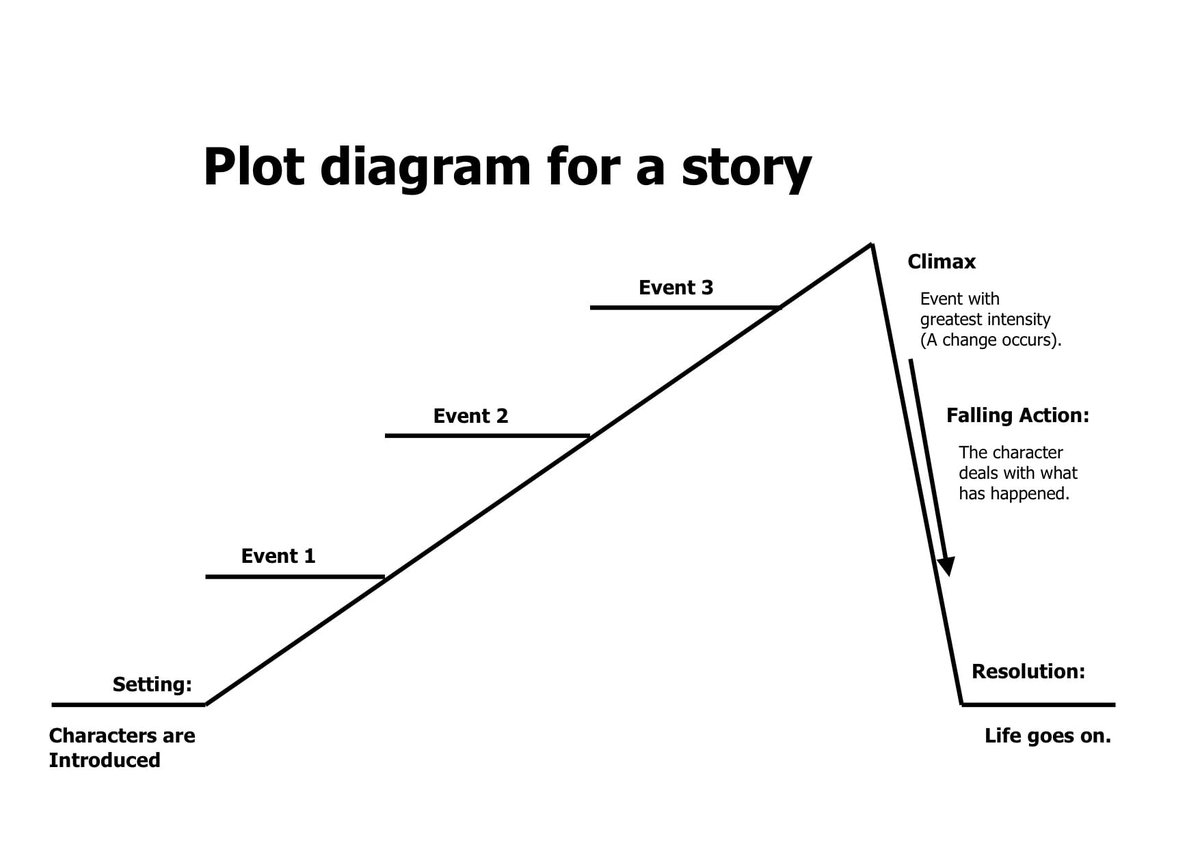
- Focus on Key Plot Points: Identify the inciting incident, rising action, climax, and immediate resolution within the episode. What are the pivotal events that drive the narrative forward?
- Highlight Character Interactions: Pay close attention to how characters influence each other. Whose decisions move the story? Whose relationships are tested or strengthened?
- Avoid Excessive Spoilers (or Warn Clearly): If your guide is meant for current viewers or those who haven't finished the series, exercise caution with future plot details. If spoilers are inherent to the analysis, prominently flag the section with a "SPOILER WARNING."
- Clear and Concise Language: Use active voice. Get straight to the point. Avoid flowery language or overly academic jargon. Imagine explaining the episode to a friend who missed it.
- Example Snippet (Fictional):
"In 'Echoes of the Past,' Detective Harding unearths a crucial piece of evidence tying the city's corrupt council to the missing artifact. His partner, Miller, struggles with a moral dilemma, ultimately choosing to protect a key witness, a decision that strains their already fragile partnership and sets them on a collision course with Captain Thorne."
Developing Detailed Character Profiles
Characters are the heart of any story. Your profiles should offer more than just a name and role; they should explore their journey.
- Backstory is Key: Briefly outline their origins, significant past events, and how these experiences shape who they are today.
- Track Character Development: How do they change across episodes or seasons? What challenges do they face, and how do they respond? Highlight turning points in their personal arcs.
- Motivations and Goals: What drives them? What do they want, and why? Understanding their internal world is crucial for understanding their actions.
- Descriptive Elements: Include their appearance, personality traits, and significant relationships. Use evocative adjectives that capture their essence without being subjective.
- Example Snippet (Fictional Character):
Elias Vance (The Reluctant Seer): A man burdened by visions he never asked for, Elias began as a reclusive historian, content to lose himself in ancient texts. His journey transforms him into a reluctant hero, forced to confront a destiny he initially resisted. His dry wit often masks a deep empathy, particularly for those society has forgotten. His pivotal choice to embrace his prophetic abilities, despite the personal cost, marks a significant shift from observer to active participant in the coming conflict.
Editing for Precision: Accuracy and Consistency are Paramount
The best research and writing fall flat without rigorous editing. This phase is about polishing your guide until it shines with reliability.
- Fact-Checking, Always: Re-verify names, dates, episode numbers, plot points, and character attributes. Even a minor error can undermine trust. Consult multiple credible sources where possible.
- Consistency is Key: Ensure character names, spellings, terminology, and formatting are consistent throughout the entire guide. If you refer to "The Nexus" in one section, don't call it "Nexus Point" elsewhere.
- Grammar and Punctuation: A clean, error-free guide signals professionalism and attention to detail. Use tools like Grammarly, but also perform manual proofreading.
- Flow and Readability: Read your guide aloud to catch awkward phrasing or sentences that don't flow smoothly. Ensure paragraphs are digestible and transition logically.
Beyond the Plot: Weaving in Behind-the-Scenes Magic
A truly exceptional episode guide offers more than just what's on screen. It pulls back the curtain, giving readers a glimpse into the creative process and the fascinating world of production.
- Creator Insights and Anecdotes: Include snippets from interviews with the cast, crew, writers, and directors. Did a particular line of dialogue come from an improvisation? Was a character's fate altered late in production? These details humanize the creative process.
- Production Process Details: Where was that stunning scene filmed? How were the intricate special effects achieved? What challenges did the team face with a particular location or prop? Sharing these details adds an immersive layer. For fans of shows with dedicated fanbases, especially those rooted in cult classics, understanding these production nuances can deepen appreciation significantly, much like uncovering the lore behind Todd and The Book of Pure Evil reveals the genius behind its darkly comedic world.
- Creative Decision Insights: Why did a character make a specific choice? What themes were the writers trying to explore in a given episode? Providing context for artistic decisions enriches the plot analysis.
- Fun Facts and Easter Eggs: Did an actor wear a prop from a previous role? Was there a hidden reference to another film or piece of literature? These delightful tidbits reward observant readers and encourage re-watching.
- Example Snippet (Fictional):
"The pivotal "Moonfall" sequence in Episode 7 was originally slated for a soundstage but was moved to the actual Mojave Desert after director Anya Sharma insisted on capturing natural light. This decision, though costly, lent the scene an undeniable gravitas. Actor Mark Chen reportedly improvised his character's final line, which the writers loved and kept in the final cut."
Choosing Your Canvas: Formats and Platforms for Your Guide
The medium is part of the message. The platform you choose for your episode guide will influence its reach, interactivity, and flexibility. Consider your technical comfort, desired audience, and long-term maintenance strategy.
The Collaborative Hub: Online Wikis and Fan Sites
For many series, the definitive episode guide lives online, often as a wiki. These platforms thrive on community and constant evolution.
- Tools & Platforms:
- MediaWiki: The same open-source software that powers Wikipedia, offering robust features for collaborative content creation. Requires some technical setup.
- Wikia (Fandom.com): A popular hosting service for fan wikis, providing an easier entry point with pre-built templates and hosting.
- WordPress with Wiki Plugins: WordPress can be adapted with plugins to create wiki-like functionality, combining the flexibility of a blog with structured knowledge management.
- Benefits:
- Ease of Creation & Maintenance: Relatively straightforward interfaces allow for quick content input and updates.
- Community Collaboration: The greatest strength. Fans can contribute, correct errors, and expand content, fostering a living, growing resource.
- Flexibility in Design: Most platforms offer customization options to match the aesthetic of the show.
- High Discoverability: Often rank well in search engines due to their structured data and high content volume.
- Drawbacks:
- Potential for Vandalism/Inaccurate Information: Open editing can lead to misinformation, requiring vigilant moderation.
- Dependence on Community Contributions: If the community isn't active, the guide may stagnate.
- Learning Curve: While easier than building from scratch, wiki markup can take some getting used to.
The Portable Companion: Mobile Apps and Digital Publications
For a polished, on-the-go experience, digital publications and dedicated apps offer a sleek alternative.
- Platforms:
- Apple News, Google Play Books, Amazon Kindle: Use these platforms to publish your guide as an e-book or digital magazine, reaching a wide audience through established marketplaces.
- Custom Mobile Apps: For truly dedicated projects, consider developing a bespoke app. This offers maximum control over features and user experience but comes with significant development costs.
- Benefits:
- Convenience and Portability: Accessible anytime, anywhere on mobile devices.
- Rich Media Integration: Easily embed videos, audio clips, interactive maps, and high-resolution images.
- Ease of Updating: Digital formats allow for quick revisions and additions post-publication.
- Professional Presentation: A well-designed app or e-book can offer a highly polished user experience.
- Drawbacks:
- Limited Discoverability/Visibility: Standing out in crowded app stores or digital marketplaces can be challenging without marketing.
- Dependence on Platform Guidelines: You're subject to the rules and revenue splits of Apple, Google, Amazon, etc.
- Development Costs: Custom apps are expensive to build and maintain. E-book conversion has costs too.
The Tangible Keepsake: Print Publications and Books
For a timeless, collectible feel, print remains a powerful choice, especially for beloved franchises.
- Methods:
- Self-Published (e.g., KDP Print, IngramSpark): Provides complete creative control and higher royalties per sale, but requires you to handle all marketing and distribution.
- Traditional Publishing: Involves pitching your idea to a publisher, who then handles editing, design, printing, distribution, and marketing, often in exchange for a smaller royalty share.
- Benefits:
- Tangible and Collectible Format: Many fans value physical books as keepsakes.
- High-Quality Graphics and Layout: Print allows for exquisite design, full-page artwork, and premium paper.
- Potential for Wider Distribution: Traditional publishers can get your book into bookstores globally.
- Less Prone to Digital Distraction: A focused reading experience without notifications.
- Drawbacks:
- Higher Production Costs: Printing, binding, and shipping costs are significant, especially for high-quality runs.
- Limited Flexibility for Updates/Revisions: Correcting errors or adding new content requires reprinting, making updates expensive and slow.
- Weight and Portability: Less convenient for quick lookups on the go compared to digital.
Best Practices for High-Quality Episode Guides: Building Trust and Engagement
Regardless of your chosen platform, certain principles universally apply to creating a guide that is not only useful but also trusted and loved by its audience.
Accuracy and Attention to Detail: The Bedrock of Trust
Your guide's credibility hinges entirely on its factual integrity. Sloppiness here can quickly erode reader confidence.
- Verify Information Through Multiple Sources: Don't rely on a single piece of data. Cross-reference character names, plot developments, episode air dates, and technical details.
- Double-Check Facts and Figures: Are the episode lengths correct? Are the character ages consistent? Are any quoted lines precise?
- Use Clear and Concise Language: Ambiguity leads to misinterpretation. Be precise in your descriptions and analysis.
- Tips for Sustained Accuracy:
- Stick to Credible Sources: Prioritize official websites, production notes, and interviews. Fan wikis can be a starting point but always confirm their data.
- Consult Experts (or Superfans): If tackling a particularly complex lore, reaching out to recognized experts or long-time fans can help clarify contentious points.
- Regularly Review and Update: Factual errors can creep in. Schedule periodic reviews of your content, especially after new seasons or related media releases, to ensure everything remains current and correct.
Organization and Navigation: Guiding Your Readers Home
A wealth of information is only valuable if it's easily accessible. A well-organized guide anticipates reader needs and provides clear pathways.
- Create a Clear, Logical Structure: Use a consistent hierarchy. Season -> Episode -> Section. Within each episode, use a standardized order of information (e.g., Synopsis, Key Events, Characters, Analysis, Trivia).
- Use Headings and Subheadings Effectively: Break up large blocks of text with descriptive, benefit-driven headings (H2s, H3s, and H4s if needed). These act as visual signposts.
- Include a Table of Contents or Index: For longer guides, a TOC (digital or print) or an alphabetical index is essential for quick navigation.
- Tips for Seamless Navigation:
- Consistent Naming Conventions: Use the exact same name for characters, locations, and recurring items throughout the guide. Avoid abbreviations unless universally understood and defined.
- Create a Glossary/Lexicon: For shows with unique terminology, a glossary is indispensable. Define fictional creatures, technologies, or societal structures.
- Include Cross-References: Link related content. If a character's actions in Episode 5 are crucial to Episode 10, include a subtle internal link or mention of the earlier episode.
Community Engagement and Feedback: A Living Resource
The best guides aren't static. They evolve with their fandom. Actively fostering a community around your guide can enrich its content and your experience as its curator.
- Encourage User Feedback and Comments: Provide clear channels for readers to submit corrections, suggestions, or additional insights. This could be a comment section, a dedicated feedback form, or a forum.
- Respond to Queries and Concerns: Acknowledge and address user input promptly and politely. This builds trust and demonstrates that you value your audience.
- Collaborate with Fans and Contributors: If running a wiki, empower trusted community members to contribute and help moderate. Delegate roles, and recognize their efforts.
- Ways to Foster Engagement:
- Create Discussion Forums/Comment Sections: Provide a space for fans to discuss episodes, theories, and character arcs directly within or alongside your guide.
- Host Contests/Giveaways: Reward active contributors or readers with show-related merchandise or exclusive content.
- Share Behind-the-Scenes Content: Post updates on your research process, sneak peeks of upcoming sections, or polls about what content readers want to see next.
Beyond the Basics: Advanced Plot Analysis and Pitfalls to Avoid
Moving past simple summaries, a truly insightful guide delves into the deeper currents of the narrative. This is where your critical faculties truly shine.
Deciphering the Narrative Layers
- Theme Exploration: What overarching ideas does the series explore? Justice, loss, power, identity? Connect specific episode events back to these broader themes.
- Symbolism and Motifs: Identify recurring symbols (objects, colors, gestures) and motifs (story patterns, character types). What do they represent, and how do they enhance meaning?
- Foreshadowing and Callbacks: Analyze how earlier events or dialogue subtly hint at future developments. Conversely, how do later events echo or reflect earlier ones, creating narrative cohesion?
- Character Arcs (Deeper Dive): Beyond just "what happened," analyze why a character changed. What internal and external conflicts drove their transformation?
Navigating the Minefield: Common Pitfalls to Avoid
Even the most seasoned guide creators can stumble. Being aware of these common traps will save you time and maintain your guide's quality.
- Subjectivity Over Objectivity: While analysis involves interpretation, ensure summaries and factual descriptions remain objective. Clearly distinguish between objective plot points and your analytical commentary.
- Information Overload: More isn't always better. Focus on relevant details. Avoid including every single line of dialogue or every background extra's movement unless it serves a specific analytical purpose.
- Lack of Structure: Without clear headings and logical flow, even accurate information becomes a confusing mess. Always prioritize user experience.
- Inconsistent Tone: Decide on your voice (e.g., formal, casual, analytical) and stick to it throughout the entire guide.
- Neglecting Updates: A guide for an ongoing series is never truly "finished." Failing to update with new episodes or corrected information quickly renders it obsolete.
- Plagiarism: Always write summaries and analyses in your own words. If quoting directly from official sources or interviews, provide clear attribution.
Your Next Steps: Building Your Legacy of Fandom
You're now equipped with the blueprint to transform your passion for storytelling into a meticulously crafted episode guide and plot analysis. This journey isn't just about documenting a show; it's about engaging with narrative on a deeper level, contributing to a vibrant fan community, and potentially even leaving your mark on the broader understanding of a beloved series.
Start small, perhaps with a single episode or a character you know intimately. As you build confidence and refine your process, you can expand your scope. Embrace the research, revel in the writing, and lean into the community aspect. Your guide will become more than just information; it will be a testament to the enduring power of great storytelling and the dedication of its fans. The world of fandom awaits your definitive contribution.