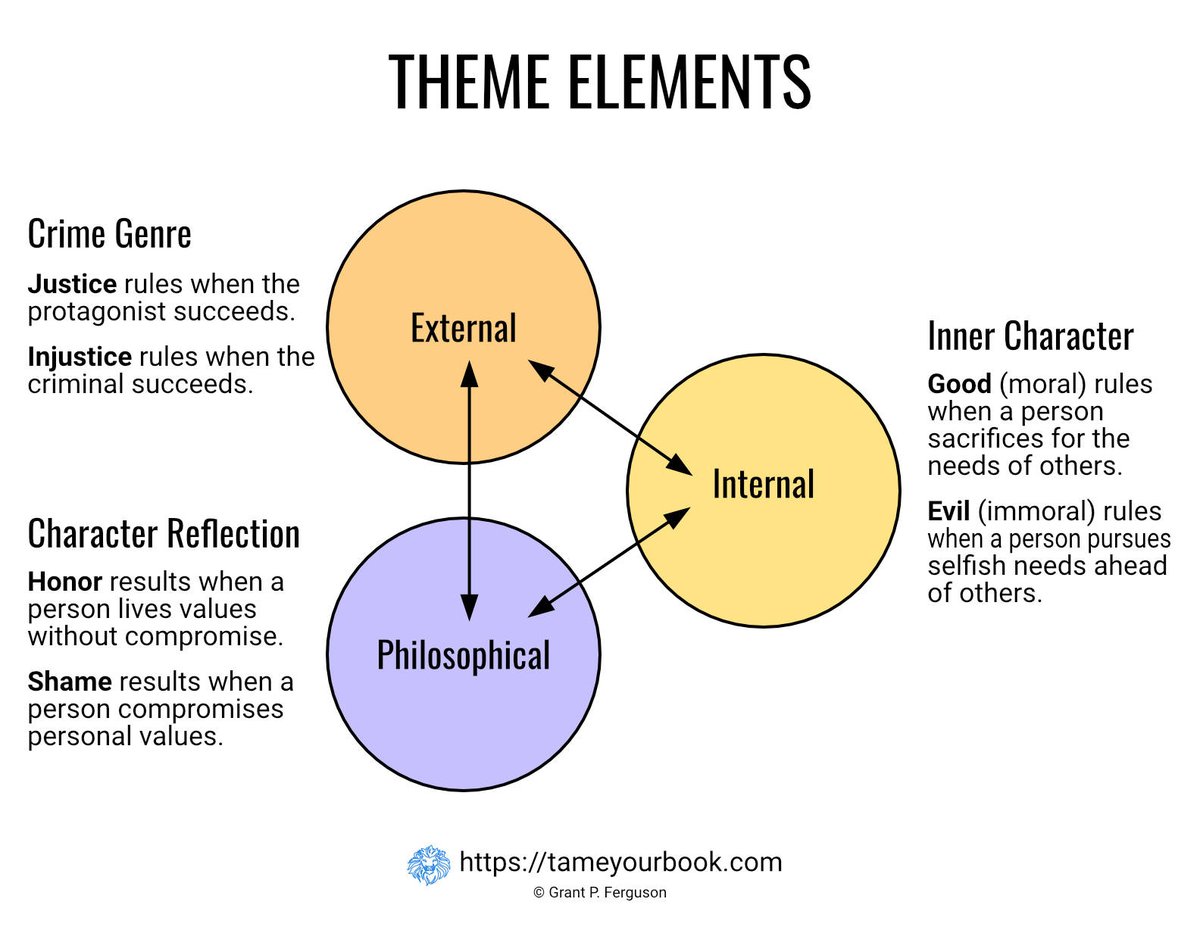
Ever wonder why some stories stick with you long after the final page or credit roll, while others fade from memory? It's rarely just the plot. The most enduring narratives—from ancient myths to today’s blockbuster films—are expertly crafted with "Thematic & Satirical Elements Explored," diving deep into universal truths and holding up mirrors to society. These powerful underlying currents are what transform a simple tale into a profound experience, challenging our perspectives and sparking genuine reflection.
At a Glance: Unpacking Themes & Satire
- Themes are the soul of a story: They're the big ideas, messages, or universal truths that give meaning and resonance to characters, plots, and settings.
- Satire is the sharp wit: It uses humor, irony, and exaggeration to critique human folly, societal flaws, or political issues, often pushing for change.
- Why they matter: Both elements deepen emotional engagement, offer universal appeal, provoke critical thought, and serve as vital cultural reflections.
- How they work: Themes unfold through character journeys, conflicts, symbols, and settings. Satire employs specific literary devices to make its pointed observations.
- The powerful combination: When themes and satire intersect, stories become incredibly potent, delivering serious messages with memorable, often subversive, impact.
- Your takeaway: Understanding these elements transforms you from a passive consumer into an engaged analyst, appreciating the true craft and power of storytelling.
The Unseen Hand: What Are Thematic Elements?
Imagine a story as a house. The plot is the floor plan—the sequence of rooms, hallways, and stairs. The characters are the inhabitants, and the setting is the neighborhood. But the theme? That's the foundation and the very air within the house. It's the underlying idea, the central message, or the universal truth that the narrative explores, making the story more than just a series of events. It’s what allows a simple narrative to resonate with audiences across generations and cultures.
Without themes, stories might entertain, but they wouldn't enlighten or connect on a deeper level. They provide the backbone that supports emotional engagement, shaping how an audience understands not just what happens, but why it matters.
The Building Blocks of Meaning: Core Components of Thematic Elements
Themes aren't usually announced directly by a narrator saying, "The theme of this story is love!" Instead, they emerge organically from the deliberate choices an author makes across various narrative components.
- Characters: Journeys of Discovery and Change
Every significant character, especially the protagonist, embodies or confronts aspects of the central theme. Their personal journeys, internal conflicts, growth, or even their tragic downfalls often mirror the story's core ideas. Think of a character grappling with an impossible choice, and you're likely seeing themes of morality, sacrifice, or personal conviction at play. A character’s transformation from naiveté to wisdom, for instance, illuminates themes of identity or self-discovery. - Conflict: The Crucible of Ideas
The central struggles within a story—whether they're internal battles fought within a character's mind or external clashes against other characters, society, or nature—are rarely just about who wins or loses. These conflicts directly drive the plot and serve as the arena where thematic questions are tested. A struggle for survival might explore themes of human resilience, while a debate over legal justice can illuminate concepts of fairness and systemic flaws. - Symbolism: Objects That Whisper Big Ideas
Authors often use tangible objects, colors, recurring events, or even abstract metaphors to represent larger, more complex ideas. A caged bird might symbolize lost freedom, a barren landscape could represent despair or the decay of society, and a flickering candle might denote hope or the fragility of life. These symbols enrich understanding, adding layers of meaning that aren't explicitly stated but felt deeply by the audience. - Setting: The Stage for Thematic Exploration
The time, place, and social environment of a story are far more than mere backdrops; they actively reflect and reinforce the story's themes. A dystopian future might highlight themes of governmental control, loss of individuality, or the fight for freedom, while a desolate, post-apocalyptic landscape could underscore humanity's resilience or its capacity for destruction. A vibrant, bustling city versus a quiet, isolated village can also subtly introduce themes of community versus solitude, or progress versus tradition. - Plot: Actions That Echo Core Messages
The sequence of events, the actions taken by characters, and the decisions they make all contribute to the exploration and reinforcement of the story's theme. Every twist and turn, every cause and effect, should ideally push the thematic inquiry forward. If a story's theme is about the consequences of greed, then the plot will likely show characters making selfish choices and experiencing their downfall.
Why Themes Matter: The Resonance Beyond the Story
Themes are not just literary devices; they are the reason stories continue to be told, analyzed, and cherished. They elevate narratives from simple entertainment to profound human experiences.
Depth and Emotional Engagement: Connecting Beyond the Surface
Thematic elements allow stories to transcend surface-level plots. They delve into the depths of the human experience, exploring the nuances of life, emotion, and societal interaction. When a story touches upon a universal theme—say, the struggle for acceptance or the pain of loss—it creates a personal connection with the audience, fostering empathy and making the narrative feel deeply relevant to their own lives. This deeper insight leads to more profound emotional engagement, making a story memorable and impactful.
Universal Appeal: Bridging Cultures and Time
Themes like love, betrayal, justice, sacrifice, and the quest for meaning are not confined by geography or historical period. They are fundamental aspects of the human condition, making stories that explore them relatable across diverse cultures and temporal boundaries. A tragedy from ancient Greece can still move a modern audience because it speaks to timeless human experiences. This universal appeal is what allows great stories to endure and resonate with people from all walks of life.
Critical Analysis and Moral Insight: Provoking Thought
Beyond feeling, themes provoke thought. They invite audiences to engage in critical analysis, prompting them to consider ethical questions, challenge societal norms, and contemplate their own values. A story exploring the theme of prejudice might force a reader to examine their own biases, while a narrative about political corruption could spark discussions about civic responsibility and systemic issues. Themes encourage active interpretation, transforming readers into critical thinkers.
Cultural Reflection: Mirrors for Society
Stories, through their thematic elements, act as powerful mirrors for culture. They reflect prevailing societal values, norms, anxieties, and aspirations. By exploring themes relevant to their time, narratives can initiate dialogue, challenge conventional wisdom, or celebrate shared ideals. Observing how themes are treated in different historical periods or cultures offers invaluable insight into the evolving human experience. This cultural reflection prompts critical thinking about societal roles, responsibilities, and even possibilities, serving as a dynamic record of our collective journey.
How Themes Unfold: The Narrative Arc of an Idea
Just as a plot has a beginning, middle, and end, a theme also develops over the course of a narrative. It's a subtle but deliberate process.
- Introduction: Laying the Groundwork
Themes are often introduced early in a story, sometimes subtly through a character's initial goals or dilemmas, or more directly through the setting or an opening event. The first hint might be a protagonist's yearning for freedom (theme of liberation), a looming threat to their community (theme of resilience), or an unjust situation (theme of justice). These early signals prepare the audience for the deeper ideas that will be explored. - Development: The Deepening Exploration
As the story progresses, the theme becomes more prominent. Characters face challenges that directly confront or embody the central idea. Their struggles, decisions, and interactions serve to explore the theme from multiple angles. We might see characters succeed, fail, or make morally ambiguous choices, all contributing to a nuanced understanding of the theme. For instance, a theme of "power corrupts" would be developed through a character's gradual descent into tyranny as they gain authority. - Resolution: Thematic Conclusion or Contemplation
By the story's conclusion, the theme is often brought to a form of resolution. This doesn't necessarily mean a tidy answer, but rather a culmination of the thematic exploration. A lesson might be learned, a moral conclusion reached, or the theme might be left deliberately open for interpretation, prompting continued thought from the audience. The resolution reinforces the story's message, leaving a lasting impression.
Common Threads: Exploring Universal Themes in Storytelling
While stories are infinitely varied, many return to a core set of universal themes that resonate deeply with the human condition.
- Love and Relationships: This encompasses romantic love, familial bonds, deep friendships, and even the love of an ideal or a country. Stories explore the joys, pains, sacrifices, and complexities inherent in these connections.
- Conflict and Resolution: Beyond mere plot points, this theme delves into internal struggles, external battles, the nature of perseverance, and the ultimate outcome of opposing forces. It examines how individuals and groups confront adversity.
- Identity and Self-Discovery: Who are we, truly? This theme explores personal growth, the journey of understanding oneself, finding one's place in the world, and accepting who you are (or who you're becoming).
- Good vs. Evil: A timeless struggle, this theme probes the nature of morality, conscience, temptation, and the forces that drive individuals toward altruism or malevolence.
- Power and Corruption: This theme examines how power affects individuals and societies, often showing its corrupting influence, the abuse of authority, and the fight against oppression.
- Fate vs. Free Will: Are our lives predetermined, or do we have the agency to choose our own path? This philosophical theme explores destiny, choice, personal responsibility, and the consequences of our actions.
Beyond the Surface: The Impact of Themes on Audiences
When expertly woven into a narrative, thematic elements create ripples that extend far beyond the immediate experience of the story.
They prompt profound emotional responses, fostering empathy as audiences connect with characters grappling with universal struggles. This often leads to deeper insight into human nature and the complexities of life. Themes spark thoughtful discussions and debates, encouraging critical thinking about the world and challenging preconceived notions.
Moreover, themes that tackle relevant social or political issues can inspire social change, influencing public opinion and even prompting action. By shedding light on injustices or advocating for particular values, stories become powerful tools for advocacy. Ultimately, they foster cultural awareness and appreciation for diverse viewpoints, helping us understand ourselves and each other better.
Shifting Gears: The Incisive Edge of Satire
While themes dive deep into universal truths, satire uses a different kind of precision. It's the art of holding up a funhouse mirror to society, distorting reality just enough to reveal its absurdities, hypocrisies, and flaws. Satire isn't just humor; it's humor with a sharp, often critical, purpose. It makes us laugh, but more importantly, it makes us think.
What Exactly is Satire? More Than Just a Joke
Satire is a literary and artistic genre that employs wit, irony, sarcasm, and ridicule to expose and criticize human vices, follies, abuses, or shortcomings, often with the intent of shaming individuals, corporations, government, or society itself into improvement. It's often disguised as humor, but its underlying motive is serious critique.
Think of it this way: if a comedian tells a joke about a politician, it might just be for a laugh. If a satirist tells a joke about a politician, it's to highlight corruption, incompetence, or hypocrisy in a way that aims to provoke a deeper conversation or even social change.
The Tools of the Trade: How Satire Delivers Its Punch
Satirists rely on a specific toolkit of literary devices to achieve their critical aims:
- Irony: This is a core satirical device, where the intended meaning is the opposite of the literal meaning.
- Verbal Irony: Saying one thing but meaning another (e.g., calling a terrible idea "brilliant").
- Situational Irony: When the outcome of an event is contrary to what was expected (e.g., a fire station burning down).
- Dramatic Irony: When the audience knows something the characters do not.
- Hyperbole (Exaggeration): Overstating something to make a point, often to make a flaw seem ludicrous. For example, depicting a minor bureaucratic inefficiency as a global catastrophe.
- Understatement: The opposite of hyperbole, downplaying something significant to highlight its severity or absurdity.
- Parody: Imitating the style of a particular writer, artist, or genre with deliberate exaggeration for comedic or critical effect. Parody often targets specific works or cultural artifacts.
- Juxtaposition: Placing two contrasting elements side-by-side to highlight their differences or inherent contradictions, often revealing hypocrisy.
- Sarcasm: Often used interchangeably with irony, sarcasm is a harsh, cutting form of verbal irony intended to mock or wound.
- Wit: Cleverness of expression, often used for quick, incisive observations.
The Purpose Behind the Punchline: Why Satire Exists
Satire isn't just about getting a laugh; it has profound, often serious, objectives:
- To Critique and Expose: Its primary goal is to shine a light on problems – be it political corruption, social inequality, corporate greed, or human foolishness – that might otherwise go unaddressed or unnoticed.
- To Provoke Thought and Discussion: By presenting issues in an exaggerated or ironic way, satire forces the audience to look beyond the surface, questioning norms and accepted truths.
- To Advocate for Change: Many satirists hope their work will inspire a reevaluation of current practices, leading to societal improvement or reform. It aims to shame people or institutions into doing better.
- To Provide a Release Valve: In oppressive or challenging times, satire can offer a safe, albeit biting, way for people to express dissent and alleviate tension through shared laughter at absurdity.
Why Satire Hits Differently: Its Unique Power
Satire holds a unique and powerful position in storytelling because of its ability to engage audiences on multiple levels simultaneously.
Challenging the Status Quo with a Smile
It's often easier to accept a critique when it's wrapped in humor. Satire disarms its audience, allowing them to engage with uncomfortable truths without immediately becoming defensive. This Trojan horse approach allows dangerous or revolutionary ideas to slip past initial resistance. By presenting flaws in an absurd light, satire makes them seem ridiculous and therefore, easier to challenge.
Making the Unpalatable Palatable
Some truths are too stark, too grim, or too complex to be absorbed directly. Satire can make these difficult realities digestible by framing them within a comedic or exaggerated context. It allows creators to tackle sensitive topics like war, poverty, discrimination, or political abuses in a way that maintains audience engagement rather than alienating them.
Driving Dialogue and Change
The discomfort and critical thinking provoked by effective satire often lead to vital conversations. People discuss satirical pieces, debate their implications, and in doing so, bring the underlying serious issues into the public discourse. Historically, satire has been a potent force in shaping public opinion and even influencing policy changes, from Jonathan Swift's "A Modest Proposal" to modern political cartoons.
The Symbiotic Relationship: When Themes and Satire Intersect
While distinct, thematic and satirical elements often intertwine to create some of the most memorable and impactful narratives. They don't just coexist; they enhance each other, forming a potent alliance that delivers deep messages with sharp, critical force.
Satire as a Vehicle for Thematic Exploration
Satire often serves as a powerful means to explore complex themes. By mocking or exaggerating a societal flaw, a satirist is inherently delving into a theme. For example, a satirical take on corporate greed might explore themes of morality, unchecked ambition, or the human cost of capitalism. The humor and exaggeration provide an accessible entry point to these serious themes, making them more engaging and less preachy.
Consider works that satirize war, like Stanley Kubrick's Dr. Strangelove. While hilariously absurd, it deeply explores themes of unchecked power, human folly, and the terrifying logic of mutually assured destruction. The satire doesn't detract from the theme; it amplifies it, making the horror of nuclear war even more chilling through its ridiculous portrayal.
Thematic Depth Enhancing Satirical Impact
Conversely, strong thematic foundations give satire its weight and resonance. Without a clear thematic message, satire can devolve into mere mockery or silliness. When a satirical piece is anchored by universal themes, its critique feels more substantial and its impact more lasting. The audience understands why the absurdity matters, and what deeper truth it's trying to illuminate.
Take George Orwell’s Animal Farm. On the surface, it’s a talking-animal fable. But its satirical critique of totalitarianism and the corruption of revolutionary ideals is profoundly thematic, exploring themes of power, oppression, and the fragility of democracy. The satirical allegory works because it’s underpinned by these timeless thematic concerns.
A more contemporary example might be the show Todd and the Book of Pure Evil, which uses dark humor and grotesque situations to satirize teen horror tropes and often explore themes of adolescent angst, peer pressure, and the bizarre journey of self-discovery, albeit with a very bloody twist. The satire makes the high school experience absurd, but the underlying themes of fitting in and growing up resonate with a dark truth.
Mastering the Craft: Weaving Thematic and Satirical Elements
For writers and creators, the challenge lies in seamlessly integrating these powerful elements. It requires deliberate thought and careful execution.
For Crafting Thematic Depth: Beyond the Obvious Plot
- Start with the "Why": Before you even outline your plot, ask yourself what universal truth you want to explore. What message do you want to convey, or what question do you want to pose?
- Brainstorm Related Concepts: If your theme is "redemption," list concepts like forgiveness, guilt, second chances, sacrifice, atonement, and transformation. These will be your thematic vocabulary.
- Map Theme to Character Arcs: How will your protagonist embody or challenge the theme? Will they grow into it, reject it, or be destroyed by it? Their journey should be a living exploration of your theme.
- Integrate Symbolism Intentionally: Don't just throw in a symbolic object. Ensure it appears organically and its meaning deepens as the story progresses. A recurring motif can powerfully reinforce your theme.
- Let Setting Reflect Theme: Does your environment mirror your theme? A desolate landscape for despair, a vibrant garden for hope, a rigid city for control—make your setting work for you.
- Subtlety is Key: Avoid hammering your audience over the head. Let the theme emerge naturally from the events and characters. Trust your audience to connect the dots.
For Sharpening Your Satirical Edge: Humor with a Point
- Identify Your Target: What specific human folly, societal flaw, or institution are you criticizing? Be precise. Broad satire can often miss its mark.
- Choose Your Weapons Wisely: Which satirical device best suits your target and message? Irony, hyperbole, parody? Sometimes a combination is most effective.
- Balance Humor and Message: The humor should make the message palatable, not obscure it. Ensure your audience laughs and understands the underlying critique. It's a tightrope walk.
- Know Your Audience (and Their Sensitivities): What might be hilarious to one group could be offensive to another. While satire often pushes boundaries, understanding where those boundaries lie for your intended audience is crucial.
- Exaggerate, But Ground in Reality: The best satire takes something real and stretches it to its breaking point. It should feel familiar enough to be recognizable, but absurd enough to highlight the flaw.
- Don't Be Afraid to Provoke: Satire is meant to challenge and disturb as much as it is to entertain. Be prepared for your work to spark strong reactions.
Common Pitfalls and How to Avoid Them
Even seasoned creators can stumble when balancing these powerful elements. Recognizing common missteps can help you steer clear.
- The Preachy Theme: When a theme is too obvious or directly stated, it can feel like the author is lecturing the audience. Avoid: Characters delivering monologues that explicitly state the story's moral. Instead: Let the theme unfold through action, conflict, and character choices.
- The Muddled Theme: A story trying to tackle too many themes at once can lose focus. Avoid: Introducing disparate big ideas without clear connections. Instead: Prioritize 1-3 central themes and ensure all elements contribute to their exploration.
- The Unfunny Satire: If the humor doesn't land, or the exaggeration is so extreme it loses all connection to reality, the satire fails. Avoid: Relying solely on shock value or inside jokes. Instead: Ground your exaggeration in recognizable truth, and test your humor.
- The Misunderstood Satire: Satire can backfire if the audience interprets it literally or misses the irony. Avoid: Being overly subtle with your irony, especially in complex social commentary. Instead: Provide enough context and clear signals (even subtle ones) for your audience to grasp your satirical intent, perhaps through character reactions or consistent tone.
- Satire Without a Point: If there's no clear target or underlying critique, satire can come across as cynical or mean-spirited humor. Avoid: Making fun of something just for the sake of it. Instead: Ensure every satirical jab serves a purpose in highlighting a specific flaw or advocating for a particular idea.
Analyzing Themes and Satire: A Reader's Toolkit
As an audience member, becoming adept at identifying and interpreting thematic and satirical elements will profoundly enrich your experience.
- Look Beyond the Plot: As you consume a story, don't just ask "What happened?" but "What does this mean?" What universal questions does it raise?
- Pay Attention to Character Transformations: How do characters change, or fail to change? What do their choices reveal about the human condition or the theme at hand?
- Identify Recurring Motifs and Symbols: Do certain objects, colors, or phrases appear repeatedly? What larger ideas might they represent?
- Consider the Conflict's Deeper Implications: Is the struggle just about winning, or does it represent a clash of ideologies, values, or societal forces?
- Notice the Tone: Is it serious, humorous, cynical, hopeful? How does the tone influence the message?
- Spot the Absurdity: If something seems exaggerated, ridiculous, or intentionally contradictory, ask yourself: "What is the author trying to poke fun at? What serious point is hiding behind this joke?"
- Question the Status Quo: Satire often challenges what we take for granted. If a piece makes you uncomfortable or makes you laugh at something you've always accepted, it's likely satirical.
- Context is King: Understanding the historical, social, or political context in which a work was created can unlock deeper layers of thematic and satirical meaning. What was happening in the world when this was written?
The Enduring Power of Deeper Storytelling
The careful cultivation of thematic and satirical elements isn't just an academic exercise for writers; it's the very heartbeat of storytelling that endures. These components are what allow narratives to transcend fleeting entertainment, embedding themselves in our cultural consciousness and shaping our understanding of ourselves and the world around us.
By exploring universal truths through compelling themes, authors connect with our deepest humanity. By wielding the double-edged sword of satire, they challenge our assumptions and spur us to question, debate, and ultimately, strive for a better reality. The next time you encounter a story that truly resonates, pause to consider the unseen currents of theme and the sharp jabs of satire that make it so powerful. You'll not only appreciate the craft on a new level but also gain a richer understanding of the profound impact narratives have on our shared human journey.